Speakers:
- Tony Thompson, Scholarly Assistant Professor
- Kendall Hoy, Marketing communications leader
- Lance Lijewski, Photographer & digital marketer
- Kait Thornton, Social media influencer
Length of Lesson: 90 minutes
- 10 minute warmup
- 50 minute video
- 30 minute discussion
- Optional Activities:
- Build a Code of Ethics (15 minutes)
- Wrap-Up/Reflection (15 minutes)
Learning Objectives
By the end of this lesson, students will be able to:
- Evaluate how social media platforms are evolving and how those changes impact communication norms.
- Identify ethical challenges facing professionals in digital media environments.
- Analyze how platform algorithms influence visibility, bias, and misinformation.
- Assess the role of influencers and content creators in shaping public discourse and brand trust.
- Reflect on the responsibilities of media professionals in navigating social trends and technologies.
1. Pre-Video Activity (10 minutes)
Social Media Snapshot
- Ask students to write down the three platforms they use most and why.
- Then ask: “What types of content do you trust most on those platforms? Why?”
- Facilitate a short share-out or small group discussion. Focus on trust, authenticity, and platform norms.
Purpose: This primes students to think critically about their media consumption habits and biases before hearing from professionals in the field.
2. Play Video
3. Post-Viewing Discussion Questions
- What stood out to you about how each panelist uses social media differently in their profession?
- The panel discussed adapting to fast platform changes—how do constant updates challenge ethical communication?
- The panel also emphasized the importance and role of visuals and authenticity in social media. How can visual content both inform and mislead?
- For influencer marketing, what are the ethical concerns with blending personal content and paid promotion?
- How do algorithms shape what we see and believe on social platforms?
- What’s the difference between being a “content creator” and being a “professional communicator” on social media?
- Did any panelist express concerns about misinformation? What solutions did they propose, if any?
- How does platform culture (TikTok vs. Instagram vs. LinkedIn) affect how people express themselves and engage with content?
- What skills or traits did the panelists say are most important for succeeding in professional communication via social media?
- What role should responsibility and ethics play in the future of social media—especially in professional spaces?
Optional Activity 1: Platform Ethics Roleplay
- Divide the class into 3–4 groups. Assign each a social platform (e.g., TikTok, Instagram, LinkedIn, YouTube).
- Each group identifies:
- A current trend on their platform.
- One ethical concern associated with that trend (e.g., misinformation, algorithmic bias, influencer transparency).
- A recommendation for professionals who want to participate in the trend responsibly.
- Groups present briefly to the class.
Optional Activity 2: Build a Code of Ethics
- As a class, draft a short “Professional Code of Ethics for Social Media” informed by the panel.
- Include guidelines around truthfulness, transparency, and community engagement.
Optional Extensions
Build a Code of Ethics
- As a class, draft a short “Professional Code of Ethics for Social Media” informed by the panel.
- Include guidelines around truthfulness, transparency, and community engagement.
Wrap-up/Reflection
Ask students to write a quick reflection:
“How will you change the way you post or engage with content after hearing this panel?”
Instructors
Please take a few minutes to give us your feedback. Your input is greatly appreciated!
Lesson Developers
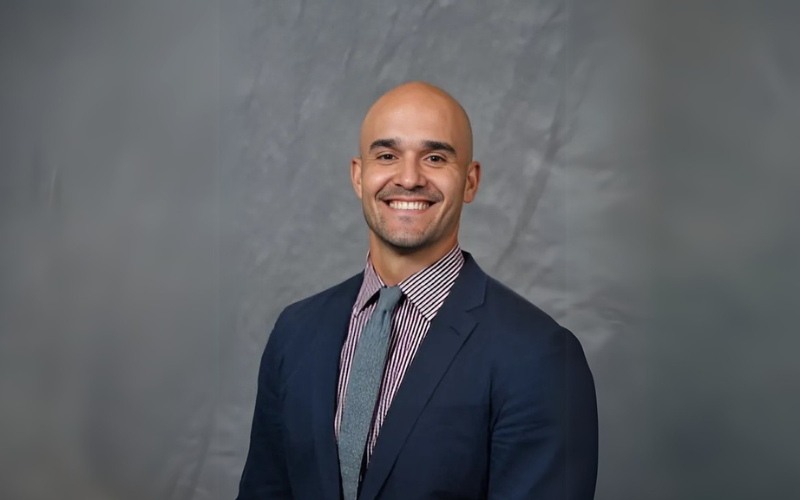
Tony Thompson
Assistant Professor
Professor of Practice
Professor of Practice
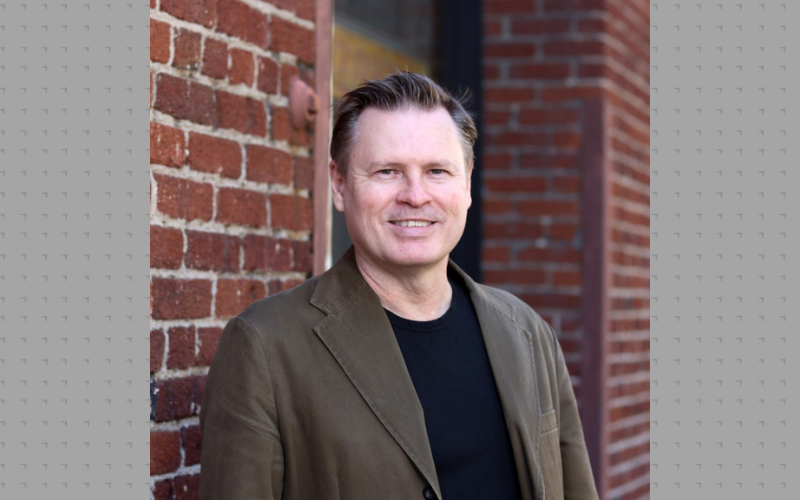
Brett Atwood
Associate Professor
Professor of Practice
Professor of Practice