Speakers:
- (Moderator) Rebecca Cooney, Professor at the Edward R. Murrow College of Communication
- Lacey Faught: Founder of Spry
- Dave Sonntag: Purpose-Driven Leader
- Renee Radcliff Sinclair: President of TVW
Length of Lesson: 90 minutes
- 10 minute warmup
- 60 minute video
- 20 minute discussion
- Optional Activities:
- Source Scavenger Hunt (15 minutes)
- (Activity or homework) Media Ethics Roundtable (20 minutes)
Learning Objectives
By the end of this lesson, students will be able to:
- Define and distinguish between misinformation and disinformation.
- Identify common sources and motives behind false or misleading content.
- Evaluate the ethical responsibilities of communicators, platforms, and the public in addressing falsehoods.
- Analyze how bias, ideology, and algorithms influence the spread of misinformation.
- Practice techniques for verifying facts and evaluating the credibility of sources.
1. Pre-Video Activity (10 minutes)
True or False?
- Present 5 brief headlines (some true, some false) on the board or screen.
- In pairs, students guess whether each is real or fake and justify their reasoning.
- Facilitate a short discussion:
- What made some headlines seem more trustworthy?
- What role did emotion, bias, or familiarity play in their decisions?
Purpose
Introduce how easy it is to misjudge the truth—and set the stage for deeper reflection on why misinformation spreads.
2. Play Video
3. Post-Viewing Discussion Questions
- How do the panelists define the difference between misinformation and disinformation?
- What role does intention play in how we respond to false information?
- Panelists discussed the importance of media literacy. Should schools be teaching media literacy? If so, how?
- Panelists also discussed how “truth” can feel subjective. How should we approach information in such a polarized environment?
- Do you think that there is a qualitative difference between local and national news outlets? If so, why?
- What are the consequences of failing to address misinformation, according to the panel?
- What personal responsibility do individuals have in stopping the spread of false content?
- How do algorithms and digital platforms amplify misinformation?
- Which panelist’s perspective did you find most compelling, and why?
- What can you start doing today to become a more responsible media consumer?
Optional Activity 1: Source Scavenger Hunt
Students receive a worksheet with 3 controversial headlines (real or fabricated). For each, they must:
- Identify the original source (if possible)
- Use lateral reading techniques (e.g., check what other sites say about it)
- Judge credibility using the CRAAP test (Currency, Relevance, Authority, Accuracy, Purpose)
Goal:
Practice real-time source verification using methods discussed in the panel.
Optional Activity 2 (Activity or homework): Media Ethics Roundtable
In small groups, students role-play journalists, platform moderators, and consumers. Present a case study involving viral misinformation. Groups must decide:
- Who is responsible?
- What actions should be taken?
- What ethical principles apply?
Goal:
Apply panel themes to real-world dilemmas in media ethics.
Instructors
Please take a few minutes to give us your feedback. Your input is greatly appreciated!
Lesson Developers

Rebecca Cooney
Associate Professor
Professor of Practice
Les Smith Distinguished Professor
Professor of Practice
Les Smith Distinguished Professor
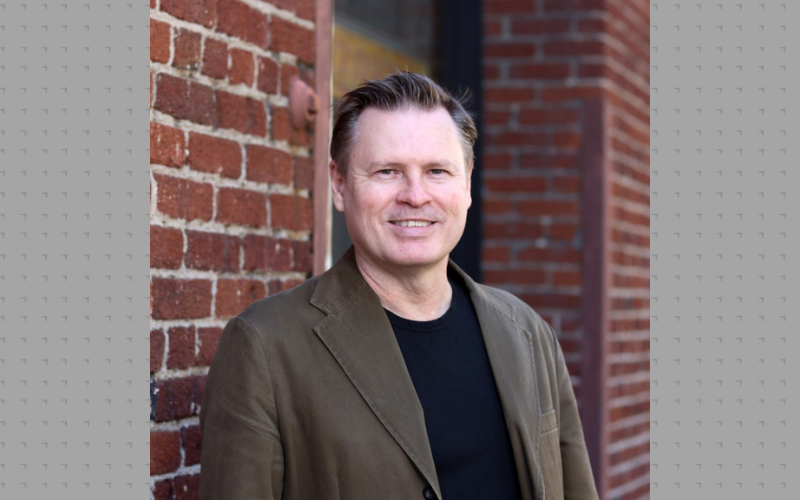
Brett Atwood
Associate Professor
Professor of Practice
Professor of Practice